Myo-Inositol and Its Role in Male Fertility
Male infertility contributes to approximately 40–50% of infertility cases among couples experiencing difficulty conceiving. One of the leading causes is poor sperm quality, including reduced sperm motility and increased sperm DNA damage.
In recent years, myo-inositol has gained considerable attention as a nutritional supplement that may support male reproductive health. This naturally occurring molecule plays an important role in intracellular signaling, cellular energy metabolism, and normal sperm function.
What Does the Research Say?
A systematic review and meta-analysis evaluating 16 clinical studies demonstrated that myo-inositol supplementation significantly improved several key parameters of male fertility. The analysis found that myo-inositol increased total sperm motility, progressive sperm motility, and testosterone levels.
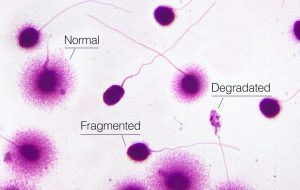
Furthermore, myo-inositol therapy was associated with a significant reduction in sperm DNA fragmentation, a form of genetic damage that can decrease fertilization potential and negatively affect embryo quality.
How Does Myo-Inositol Work?
Current evidence suggests that the beneficial effects of myo-inositol result from its ability to improve mitochondrial function, enhance cellular energy (ATP) production, and reduce oxidative stress within sperm cells. By increasing the energy available for movement, sperm are better equipped to reach and fertilize the oocyte.
Scientific evidence indicates that myo-inositol enhances sperm quality primarily by improving sperm motility, increasing testosterone levels, and reducing sperm DNA fragmentation.
As a naturally occurring molecule, myo-inositol functions as an important second messenger in numerous biological processes, including cellular metabolism and male reproductive function. Within sperm cells, it acts through several interconnected mechanisms that collectively improve sperm quality.
1. Improving Mitochondrial Function
The mitochondria, located in the sperm midpiece, serve as the cell’s “powerhouse” by producing adenosine triphosphate (ATP), the primary energy source required for sperm motility.
In infertile men, particularly those diagnosed with oligo-astheno-teratozoospermia (OAT), mitochondrial cristae are often structurally damaged, resulting in impaired energy production. Myo-inositol helps preserve mitochondrial integrity and enhances the mitochondrial membrane potential, thereby increasing ATP synthesis. Greater ATP availability enables sperm to swim faster and more efficiently toward the oocyte.
2. Activating Calcium (Ca²⁺) Signaling
Myo-inositol participates in the activation of phospholipase C (PLC), which stimulates an increase in intracellular and mitochondrial calcium (Ca²⁺) concentrations.
Elevated intracellular Ca²⁺ contributes to several essential reproductive processes by:
- Optimizing mitochondrial activity
- Enhancing ATP production
- Improving sperm motility
- Supporting sperm capacitation prior to fertilization
Through these mechanisms, sperm gain greater progressive motility and improved fertilization competence.
3. Reducing Oxidative Stress
Oxidative stress is one of the major contributors to male infertility. It occurs when the production of reactive oxygen species (ROS) exceeds the body’s antioxidant defense capacity.
Excessive ROS can lead to:
- Damage to the sperm plasma membrane
- Mitochondrial dysfunction
- Reduced sperm motility
- Increased sperm DNA fragmentation
Myo-inositol has been shown to reduce oxidative stress and inflammatory processes, creating a healthier intracellular environment and protecting sperm from oxidative damage.
4. Preserving Sperm DNA Integrity
Sperm DNA fragmentation is strongly associated with lower fertilization rates, impaired embryo development, and an increased risk of miscarriage.
The meta-analysis demonstrated that myo-inositol supplementation significantly reduced sperm DNA fragmentation. This protective effect is believed to result from the combined actions of:
- Improved mitochondrial function
- Reduced ROS production
- Decreased oxidative damage to sperm DNA
As a result, sperm with better-preserved genetic integrity have greater reproductive potential.
5. Enhancing Sperm Motility
The combined effects of increased ATP production, improved intracellular calcium regulation, and reduced oxidative stress lead to significant improvements in both total sperm motility and progressive sperm motility.
These two parameters are essential determinants of a sperm cell’s ability to successfully travel through the female reproductive tract and fertilize the oocyte during both natural conception and assisted reproductive technologies (ART).