What Is In Vitro Fertilization (IVF)?
In vitro fertilization (IVF) — often known as the “test-tube baby” procedure — is one of the most widely used assisted reproductive technologies (ART) to help couples experiencing infertility. The process involves retrieving mature eggs from the ovaries, fertilizing them outside the body in a laboratory, and transferring the resulting embryos back into the uterus.
IVF has become a primary option for couples who have difficulty conceiving naturally, as well as those who wish to prevent certain genetic diseases from being passed on to their children. With continuous technological advancements, IVF is now one of the most effective treatments for infertility.
Why Do Couples Need IVF?
IVF is commonly recommended for individuals or couples with:
- Ovulation disorders or poor egg quality
- Blocked or damaged fallopian tubes
- Endometriosis
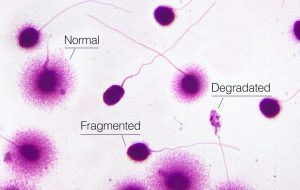
- Low sperm count, poor motility, or abnormal morphology
- Unexplained infertility
- Advanced maternal age
- Risk of inheriting specific genetic disorders
- Use of donor eggs, donor sperm, or donor embryos
- Medical conditions requiring egg retrieval before treatment, such as chemotherapy
How Does IVF Work?
The IVF process consists of several steps. A single IVF cycle generally lasts 2–3 weeks, but it may take longer depending on the patient’s condition and the treatment plan.
Here are the main stages:
1. Ovarian Stimulation
The woman receives hormonal medications to stimulate the ovaries to produce multiple mature eggs in one cycle. More eggs increase the chance of success.
2. Egg Retrieval (Oocyte Retrieval)
Once the eggs are mature, they are collected using a minimally invasive procedure with ultrasound guidance.
3. Fertilization in the Laboratory
The retrieved eggs are then combined with sperm using one of two methods:
- Conventional IVF: Eggs are mixed with sperm in a culture medium.
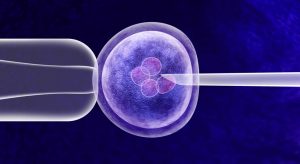
- ICSI (Intracytoplasmic Sperm Injection): A single sperm is injected directly into the egg—usually recommended for male-factor infertility.
4. Embryo Culture
Fertilized eggs grow into embryos over several days. Embryologists observe their development and select the best-quality embryos.
5. Embryo Transfer
One or more embryos are transferred into the uterus through a simple, non-surgical procedure. A pregnancy test is done approximately 14 days afterward.
Does IVF Use the Couple’s Own Eggs and Sperm?
IVF is highly versatile. It can be performed using:
- The couple’s own eggs and sperm
- Donor eggs
- Donor sperm
- Donor embryos
- A gestational carrier (surrogate), if the woman is unable to carry a pregnancy
IVF Success Rates
IVF success depends on several factors, including:
- The woman’s age and egg quality
- The underlying cause of infertility
- Embryo quality
- Uterine and hormonal conditions
- Lifestyle factors (smoking, weight, stress, nutrition)
- Number of embryos transferred
Younger women typically have higher success rates. However, modern technologies—such as time-lapse embryo monitoring, PGT (preimplantation genetic testing), and advanced culture media—continue to improve IVF outcomes.
Risks and Side Effects of IVF
Although IVF is highly effective, it is still a medical procedure and may involve risks such as:
- Discomfort from hormonal injections
- Ovarian hyperstimulation syndrome (OHSS)
- Multiple pregnancy if more than one embryo is transferred
- The emotional, physical, and financial demands of the treatment
Healthcare providers will explain all potential risks before starting an IVF cycle.
Is IVF Right for You?
Not all couples require IVF. A fertility specialist will assess your medical history, infertility diagnosis, and treatment options to determine whether IVF is the most appropriate approach for your situation.