What Is the DNA Fragmentation Index (DFI)?
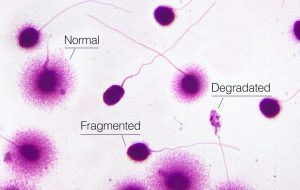
The DNA Fragmentation Index (DFI) is a parameter used to assess the level of DNA damage in sperm. This examination helps determine sperm quality that may not always be visible through a standard semen analysis.
In many cases, a man’s semen analysis appears normal—good count, motility, and morphology—yet pregnancy still does not occur. This may be due to DNA damage within the sperm, which disrupts the fertilization process. This is where DFI testing becomes important.
The Importance of DFI in Male Fertility Testing
Studies show that 4 out of 10 infertile men have sperm DNA damage. This damage can hinder fertilization because healthy DNA plays a crucial role in embryo formation and the success of pregnancy.
Sperm DNA is located in the head of the sperm and carries genetic material that enters the egg during fertilization. If the DNA is damaged—whether single-strand or double-strand breaks—then:
- Fertilization may be delayed
- Embryo development may be impaired
- The risk of miscarriage increases
Most damage occurs as sperm travel from the testis to ejaculation and may be triggered by various factors.
Causes of Sperm DNA Fragmentation
Several conditions can increase DNA fragmentation in sperm, including:
1. Unhealthy Lifestyle
- Smoking
- Excessive alcohol consumption
- Lack of physical activity
2. Certain Medical Conditions
- Type 2 diabetes
- Crohn’s disease
- Obesity
- Varicocele
3. Environmental Factors and Heat Exposure
- Pollution
- Excess heat to the scrotal area
4. Infections or Cancer
Specific infections and cancer treatments can cause oxidative stress that damages sperm DNA.
If you are experiencing infertility despite a normal semen analysis, a DFI test can provide a clearer picture of sperm quality.
Common Methods Used to Measure DFI
1. SCSA (Sperm Chromatin Structure Assay)
The most widely used method. Sperm are stained with specific dyes and analyzed using flow cytometry to determine DNA denaturation levels.
2. TUNEL Assay
Detects DNA breaks by labeling the ends of damaged DNA strands.
3. COMET Assay
Uses electrophoresis to visualize DNA fragmentation, creating a comet-like appearance.
4. SCD (Sperm Chromatin Dispersion)
Evaluates chromatin dispersion patterns as an indicator of DNA damage.
Interpreting DFI Results
Typical DFI classifications include:
- Low DFI: < 15%
- Moderate DFI: 15–30%
- High DFI: > 30%
High DFI is associated with:
- Lower chances of natural conception
- Fertilization failure in IVF programs
- Early miscarriage due to poor embryo quality
Although the clinical value of DFI testing is still under discussion, it remains useful in specific situations.
When Is DFI Testing Recommended?
DFI testing is generally advised for:
- Varicocele
- Unexplained infertility
- Recurrent miscarriage
- Recurrent implantation failure in IVF/ICSI
- Normal semen analysis but persistent infertility
How to Lower DFI
If you have a high DFI result, the following steps may help improve sperm DNA quality:
1. Lifestyle Improvements
- Stop smoking
- Reduce alcohol intake
- Increase physical activity
- Lose excess body weight
2. Antioxidant Supplements
Doctors may recommend supplements such as:
Vitamin C, Vitamin E, zinc, Coenzyme Q10, or L-carnitine.
3. Treat the Underlying Cause
For example, varicocele repair or treating infections.
4. Assisted Reproductive Techniques
If DNA damage remains high, doctors may consider:
- Micromanipulation-based sperm selection (IMSI/ICSI)
- Testicular sperm extraction (TESE), which often yields sperm with more stable DNA
Conclusion
The DNA Fragmentation Index (DFI) is an important test for assessing the genetic quality of sperm, especially in cases of unexplained infertility or repeated failed attempts to conceive. By understanding its causes, testing methods, and ways to reduce DNA damage, couples can make more informed decisions about the most effective medical approach.